
Electrical Hazards Hiding in Your Commercial Kitchen
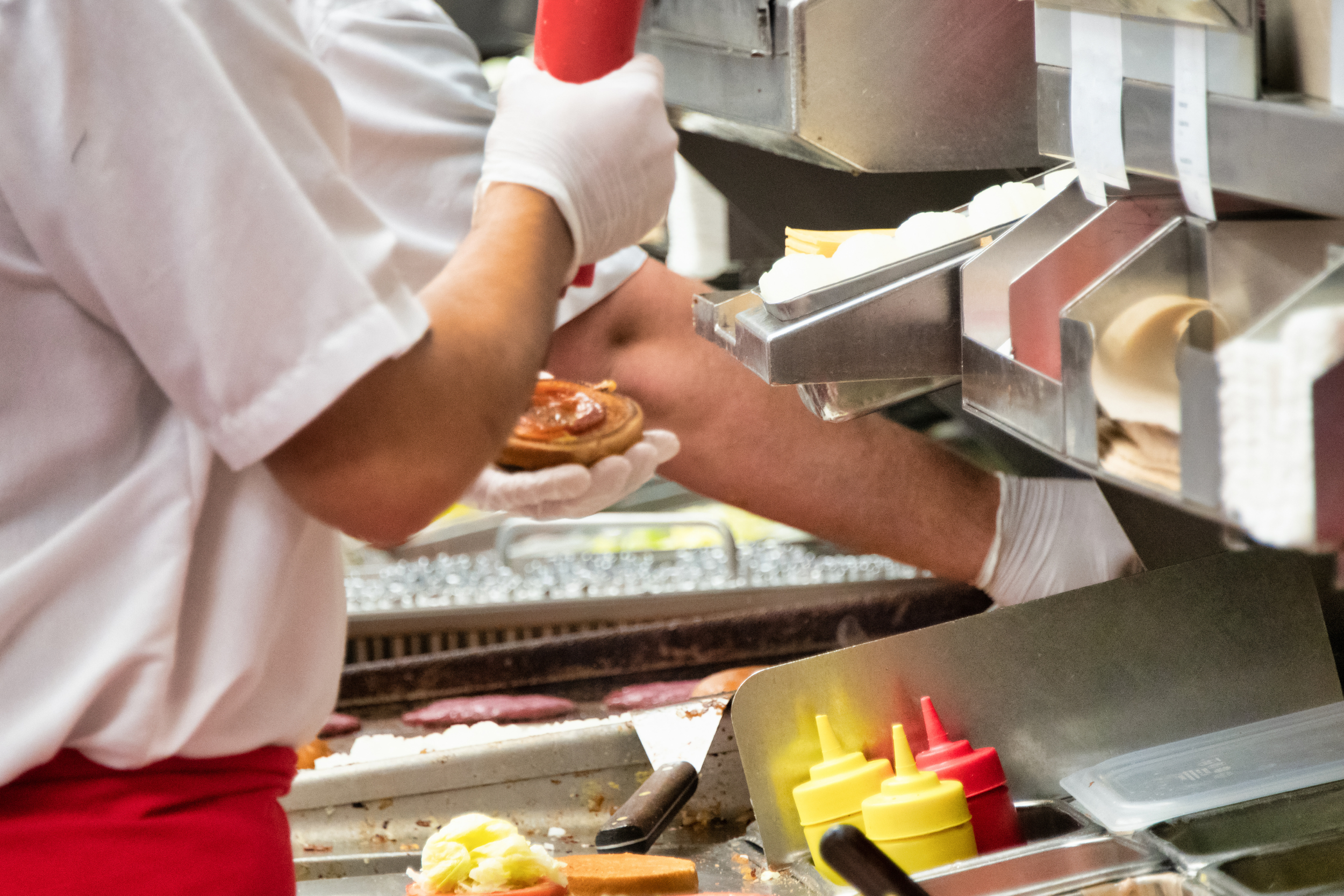
A commercial kitchen is one of the most demanding electrical environments in any business. High-draw equipment runs for hours at a time. Heat, grease, water, and constant foot traffic all work against the wiring behind your walls and under your counters. And because most electrical problems stay hidden until something fails — or worse, sparks a fire — the risk is easy to ignore until it's expensive.
Electrical issues are also one of the leading causes of restaurant fires and unplanned downtime. The good news: most of them are preventable with a trained eye and routine attention. Here are five of the most common hazards hiding in commercial kitchens right now, and what to do about each.
1. Overloaded circuits and "octopus" power strips
Kitchens accumulate equipment over time — a new fryer here, a second prep cooler there, a countertop mixer plugged in wherever there's an open outlet. The problem is that the electrical service was usually sized for the original layout, not the one you have today. When too many high-draw appliances share a single circuit, you get tripped breakers, flickering lights, and overheated wiring that can smolder inside the wall.
Daisy-chained power strips and extension cords feeding permanent equipment are a red flag. High-amperage appliances should run on dedicated circuits sized for their load — not share a strip with three other machines.
2. Grease and moisture meeting live electrical
Grease is everywhere in a kitchen, and it doesn't stay where you put it. Over months it coats outlets, junction boxes, and exposed wiring near the cookline. Add steam, wash-down spray, and the occasional spill, and you have the two ingredients electrical systems are designed to avoid: a combustible film and conductive moisture sitting on live components.
Outlets and connections near fryers, griddles, and dish areas need regular inspection and proper sealing. A greasy, discolored outlet cover isn't cosmetic — it's a warning sign.
3. Frayed cords and heat-damaged wiring
Equipment cords take a beating. They get pinched under rolling carts, scorched against hot surfaces, and yanked at the plug a hundred times a shift. Insulation cracks, conductors get exposed, and suddenly a routine piece of equipment becomes a shock and fire hazard.
The same goes for wiring that sits near constant heat. Insulation degrades faster at high temperatures, and brittle, discolored wiring inside a hot zone can fail without warning. Cords and connections in the kitchen should be checked regularly — and replaced, not taped over, at the first sign of wear.
4. Missing or non-functional GFCI protection
Wet locations — near sinks, dish pits, prep stations, and ice machines — require GFCI (ground-fault circuit interrupter) protection. GFCIs cut power in a fraction of a second when they detect current going where it shouldn't, which is exactly what protects your staff from a serious shock around water.
In a lot of older kitchens, GFCIs are either missing entirely or have quietly stopped working years ago. A receptacle that looks fine can be completely non-functional. If your wet areas don't have tested, working GFCI protection, you have both a safety gap and a likely code violation.
5. Outdated panels, poor grounding, and extension cords doing a permanent job
Behind many kitchens is an electrical panel that's undersized, overcrowded, improperly grounded, or simply old. Add a blocked panel that staff can't reach in an emergency, and a small problem becomes a dangerous one.
The most common symptom is the extension cord that's been "temporary" for two years — a sign the building doesn't have enough properly placed circuits for the equipment in use. Permanent loads belong on permanent wiring. If your panel is full, mislabeled, or hard to access, it's time for a professional evaluation.
How to get ahead of it
You don't have to wait for a tripped breaker — or a fire marshal — to find these problems. A professional electrical safety inspection identifies overloaded circuits, failing GFCIs, damaged wiring, and panel issues before they cost you a shutdown or a claim.
TechChefs handles commercial electrical work for foodservice operators across Texas — and because we're a full-service technology partner, the same team that inspects your electrical can also handle your drive-thru audio, LED signage, POS, and surveillance. One call covers the systems that keep your kitchen running.
Worried about what's hiding in your kitchen? Schedule a commercial electrical safety inspection.
Call 972-901-9948 or visit TechChefsTX.com.